学术写作优化、AI 文本润色技巧与研究写作指南。

A technical guide to how AI detectors identify AI-generated writing, which detectors academic institutions actually use, their accuracy limits, and how to lower a high AI detection score.

Why the abstract is the most important section to humanize, and how to do it without sacrificing the precision and density that an academic abstract requires.

How humanizing academic papers differs across STEM, humanities, social sciences, and professional fields. Covers what each discipline's writing conventions mean for the humanization process.

A clear explanation of what AI detectors actually measure, which removal methods work, and how to verify that your text genuinely passes before submission.

How to humanize AI-generated essays for academic submission. Covers argument preservation, citation handling, and the section-by-section workflow that works for college and university essays.

What AI-to-human text conversion actually does, which conversion methods are reliable, and how to verify the result before using it for academic or professional purposes.

Why ChatGPT text is reliably detected by AI tools, and the specific patterns you need to address to make it read as human-authored. A practical guide for academic and professional use.

How to humanize AI-assisted college application essays without losing your personal voice or narrative. Covers Common App, supplemental essays, and undergraduate course papers.

How to humanize AI-generated dissertation content while preserving your research contribution, theoretical framework, and citation integrity. A practical guide for PhD and master's students.

How GPTZero's detection model works, what its scores mean, and the humanization approach that reliably produces human scores for academic and professional submissions.

Why Originality.ai is harder to bypass than most detectors, what it actually measures, and the humanization approach that reliably produces human scores for academic and professional content.

A practical guide to humanizing AI-generated research papers without damaging citations, data, or academic arguments. Covers section-by-section workflow, what to protect, and how to review the result.

A practical guide to humanizing AI-assisted thesis chapters without losing academic depth, argument structure, or citation integrity. For master's and PhD candidates facing Turnitin and GPTZero.

A technical breakdown of how Turnitin's AI detection works and what methods reliably reduce AI scores. Covers perplexity, burstiness, and the humanization approach that works for academic submissions.

A practical guide to understanding ZeroGPT's detection model, what scores mean, and how to reliably humanize AI text to score human on ZeroGPT.
A practical workflow for making a ChatGPT essay sound more natural before Turnitin AI detection, without changing your argument, citations, or assignment focus.
Learn how to use an AI humanizer on a research paper with citations while preserving references, data, technical terms, and your original argument.
Use this checklist to humanize a ChatGPT essay, reduce AI-written patterns, preserve citations, and make the final draft sound like natural academic writing.
A practical guide to reducing AI detection in college essays by changing sentence rhythm, transitions, specificity, and academic tone while preserving meaning.
Learn why college essays still sound AI-generated after basic editing, which patterns detectors notice, and how to rewrite them into more natural academic prose.
PaperHumanizer 现已上线 Hugging Face 公共展示页,方便在外部平台展示产品、建立公开链接,并帮助更多用户发现我们的学术写作工具。
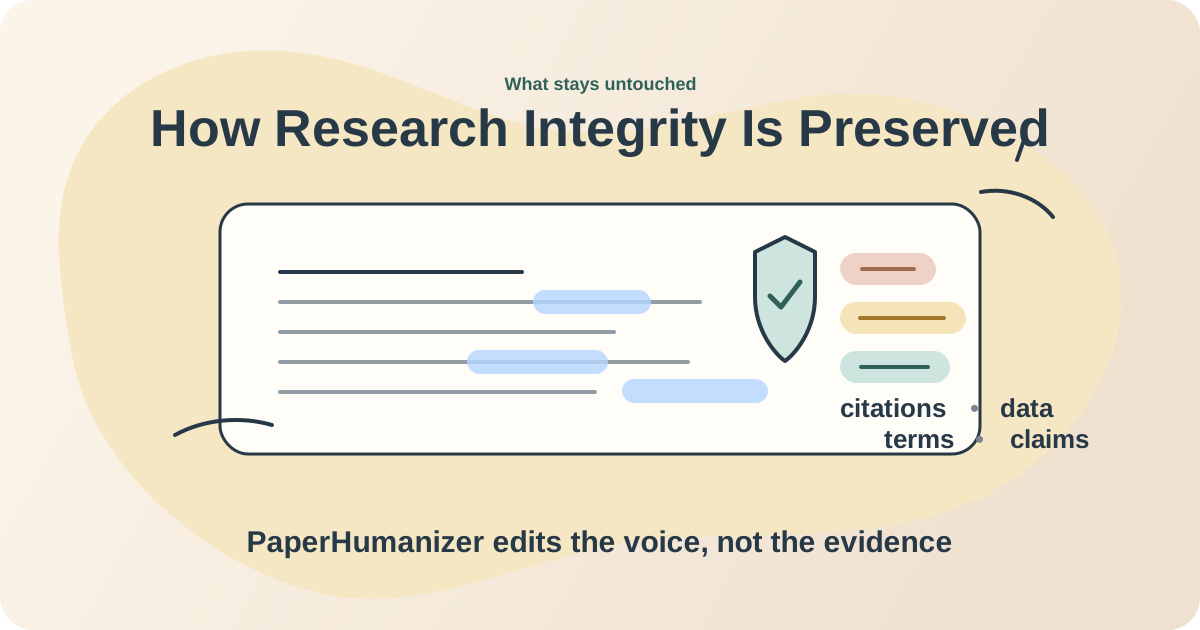
担心 AI 人性化处理会修改你的引用、改变数据或歪曲论点?本文详细说明 PaperHumanizer 会改变什么、永远不会动什么,以及如何验证输出结果。
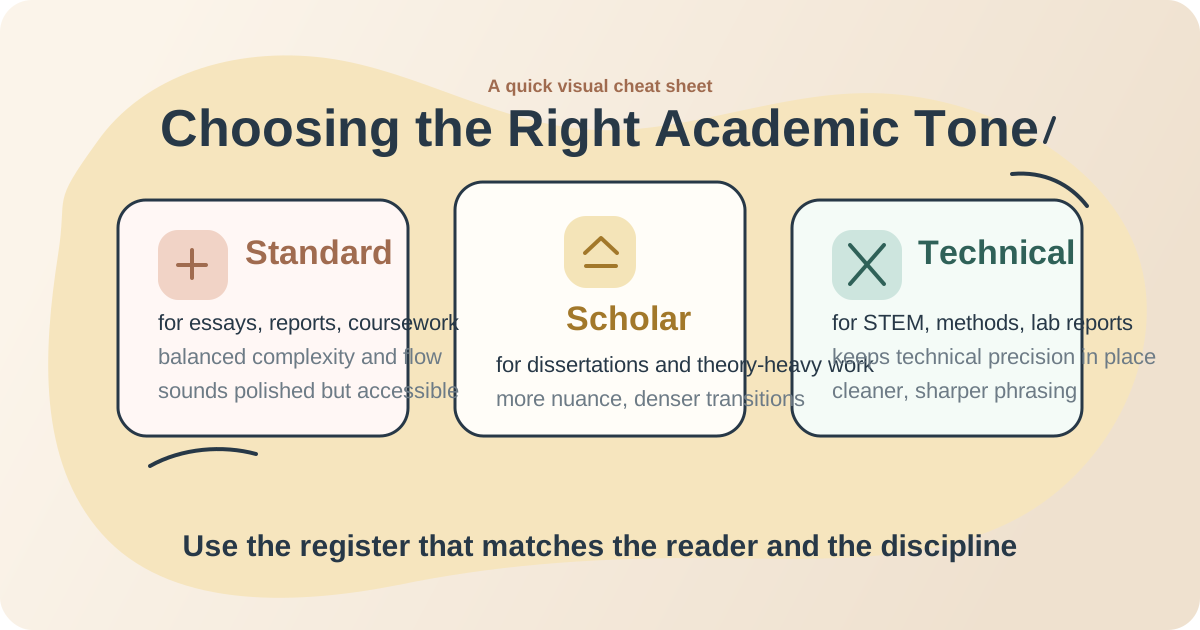
深入了解 PaperHumanizer 三种学术语气模式的区别,了解哪种模式最适合你的论文、毕业设计或科研文章。
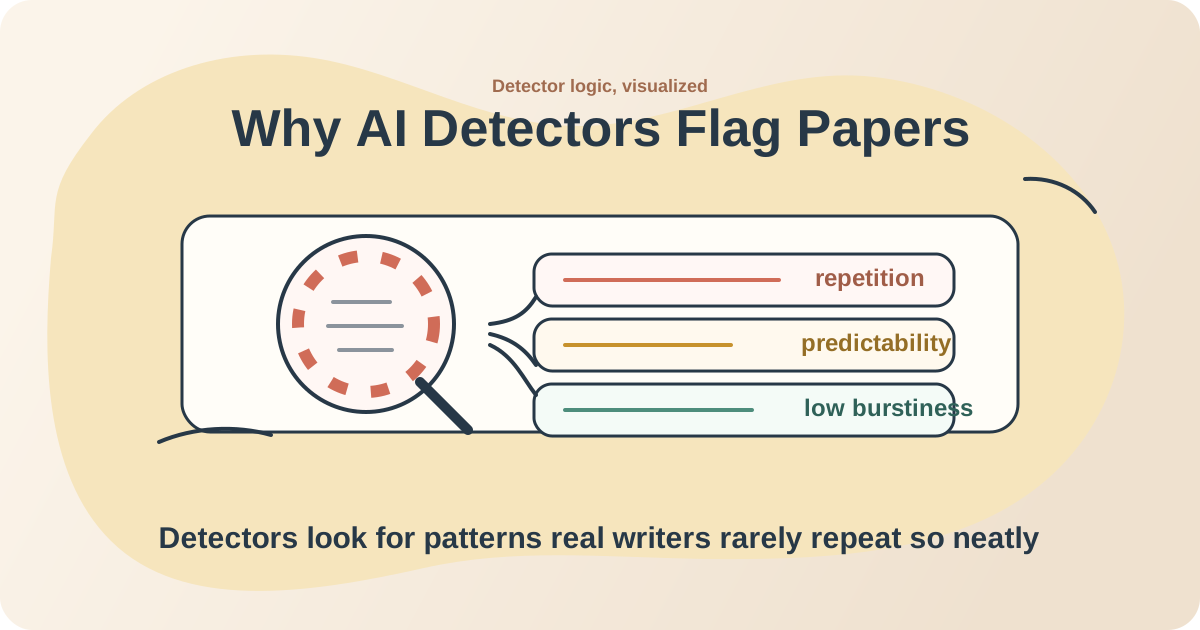
深入了解 Turnitin、GPTZero、Originality.ai 等 AI 检测工具的工作原理,以及为什么 PaperHumanizer 是通过所有检测的最可靠方法。
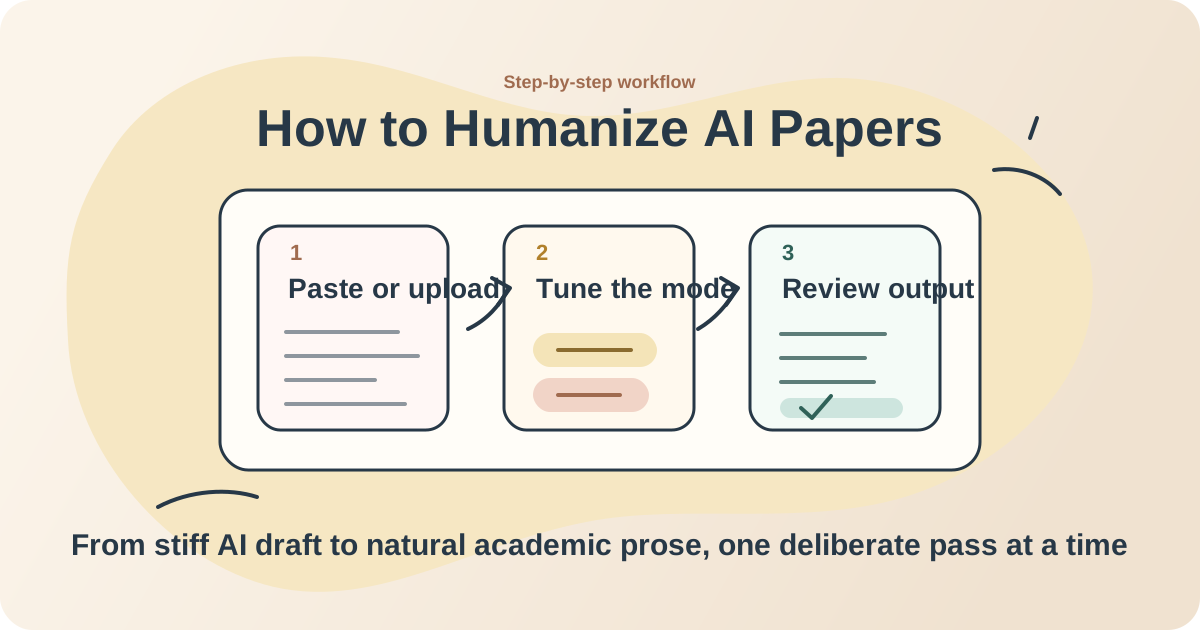
手把手教你如何将 AI 生成的文本转化为自然流畅的学术写作,轻松通过所有 AI 检测工具,同时完整保留你的研究成果、引用和论点。